Struggling to move on even though you know you deserve better? 💡 Learn why love feels like an addiction, how emotional withdrawal works, and practical tools like the 90-day no contact rule to heal and rewire your brain. 🌱
🧩 The Brain vs. The Heart Disconnect
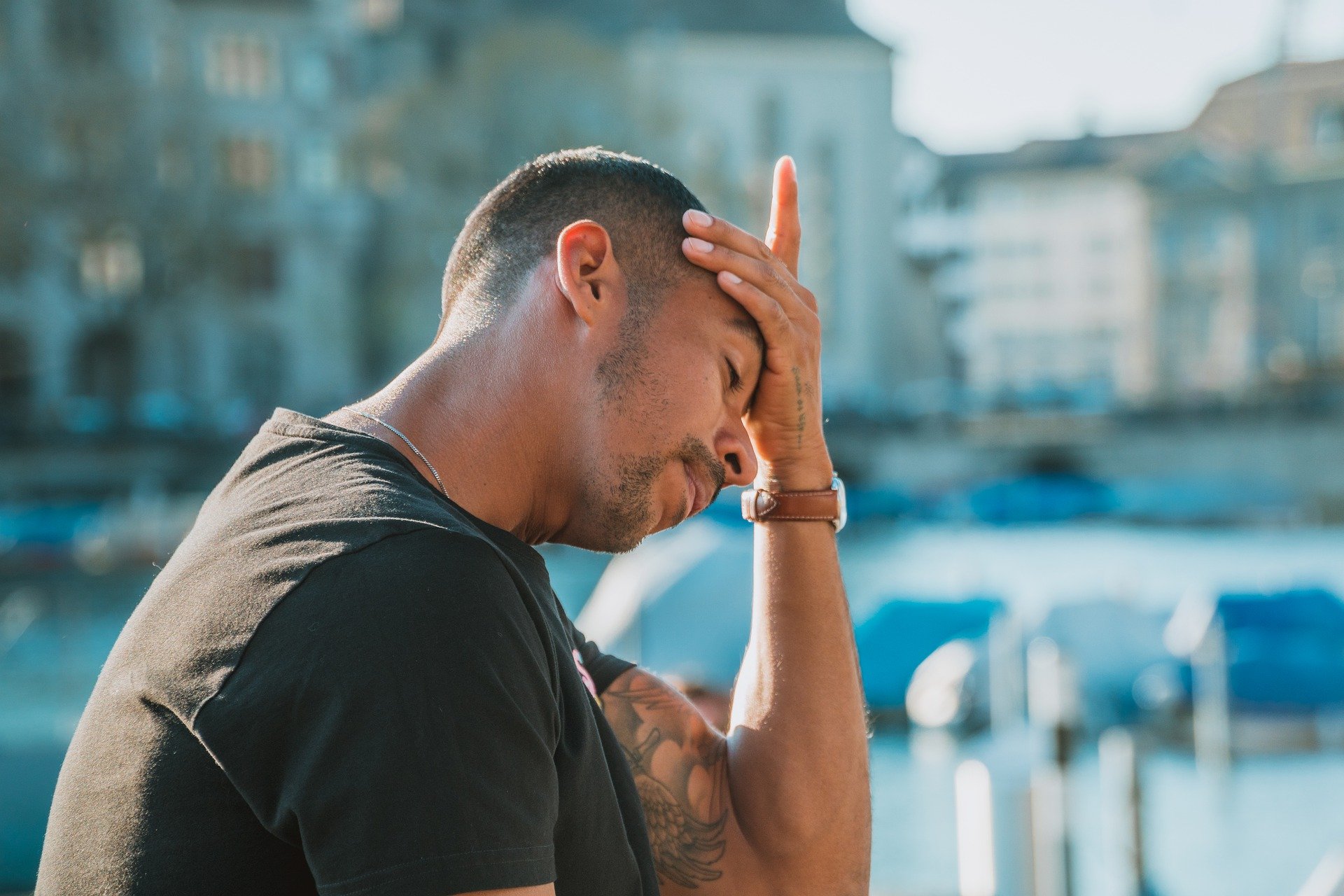
If you’ve ever said, “My brain knows, but my heart won’t listen,” you’re not alone. Comment threads on breakup forums are filled with similar confessions:
- “I know they were toxic, but I still miss them every second.”
- “Logically, I understand I deserve better… but emotionally, I can’t let go.”
- “Why do I crave someone who hurt me?”
This tug-of-war happens because moving on isn’t just a choice—it’s a biological process.
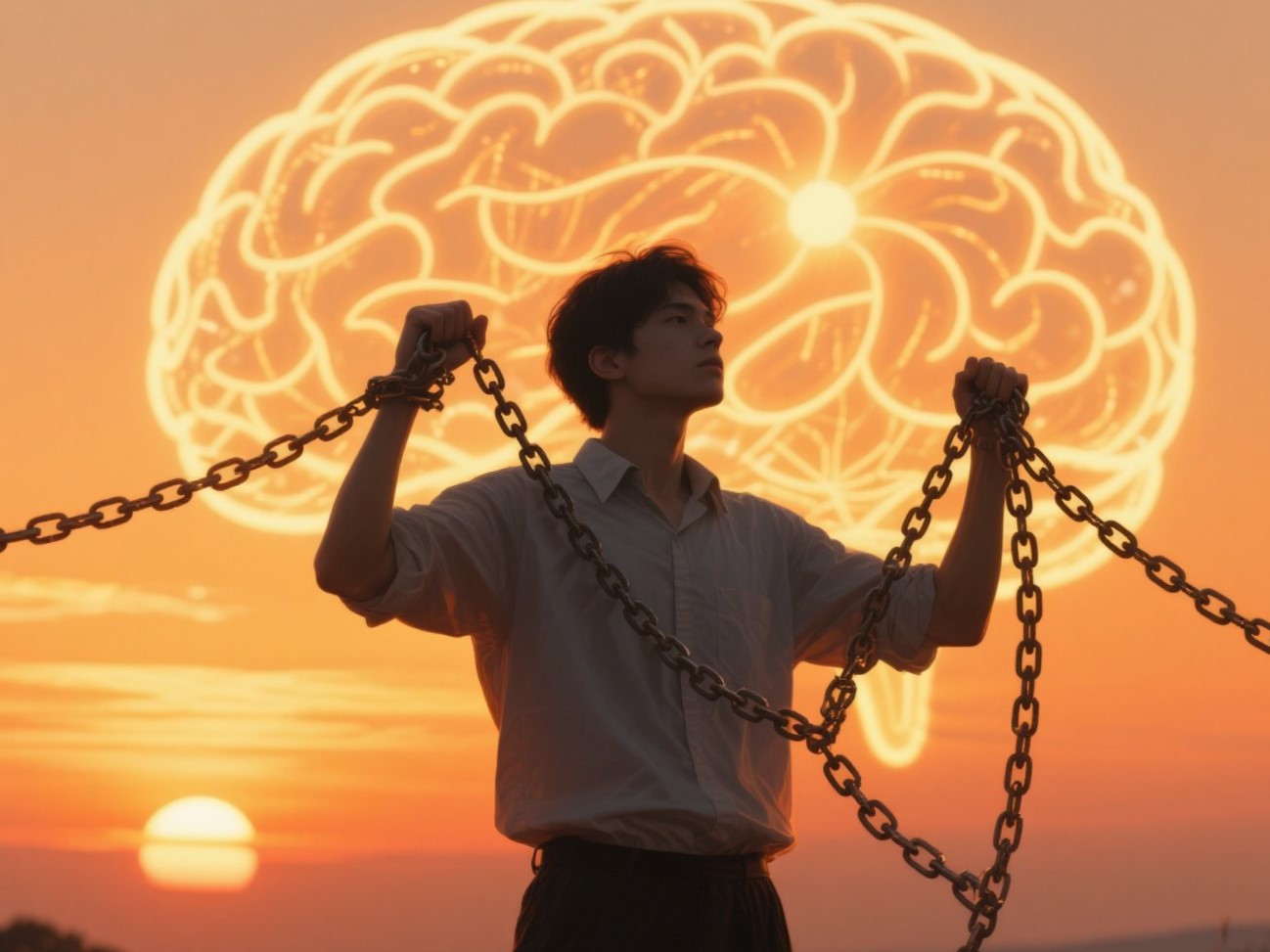
🧠 Why Love Acts Like an Addiction
When we’re in love, our brain releases a cocktail of feel-good chemicals:
- Dopamine 🎢 – gives us highs when we’re with them, making love feel euphoric.
- Oxytocin 🤗 – the bonding hormone that deepens attachment.
- Serotonin 🌤️ – stabilizes mood but also gets disrupted during heartbreak.
When the relationship ends, the brain reacts like it’s going through withdrawal. Just like cutting off sugar, caffeine, or even drugs, your body craves the “fix” it once got from your partner. That’s why moving on feels so painfully slow—it’s not weakness, it’s neurochemistry.
🛠️ Detox Tools to Break Free
1. ⏳ The “90-Day No Contact” Rule
Think of it as rehab for your heart. For 90 days:
- No calls, no texts, no “just checking their profile.” 🚫
- No mutual-friend fishing for updates.
- No late-night “what if” scrolls.
Milestones:
- Day 1–30: Raw cravings, like early withdrawal.
- Day 31–60: Emotional clarity begins—dreams about them may fade.
- Day 61–90: A sense of self without them starts to return.
Stick with it, and by Day 90, you’ll feel significantly lighter. 🌈
2. 🔄 Rewire with New Routines
Since love activated your brain’s reward circuits, you need new rewards to replace them:
- Exercise 🏃♀️ → releases dopamine + endorphins.
- Journaling 📓 → helps process cravings into clarity.
- Creative outlets 🎨 → retrains your brain to associate joy with you, not them.
- Social connections ☕ → oxytocin from friends can soothe the bond you’ve lost.
3. 🆘 When to Seek Professional Help
If months pass and you still feel paralyzed by the loss, or if withdrawal symptoms (like insomnia, anxiety, obsessive thoughts) become overwhelming, therapy or support groups can help. There’s no shame in needing extra tools to heal. 💬💙
👉 What’s one new routine you can start this week that’s just for you—not tied to your ex?
Write it down, commit to it, and let your healing brain form new pathways of joy.
🌈 Final Thought
Knowing you deserve better is the first step. Healing the emotional withdrawal is the second—and it takes time, compassion, and practice. Remember: you’re not weak for struggling—you’re human. And like any addiction, with the right detox tools, you will move on. 💪✨